Radzyń Podlaski · Since 1903
Górnicza Fabryka Narzędzi
From a family mechanical workshop to a manufacturer of metal components for modern industry.
Our history
Roots in local craftsmanship
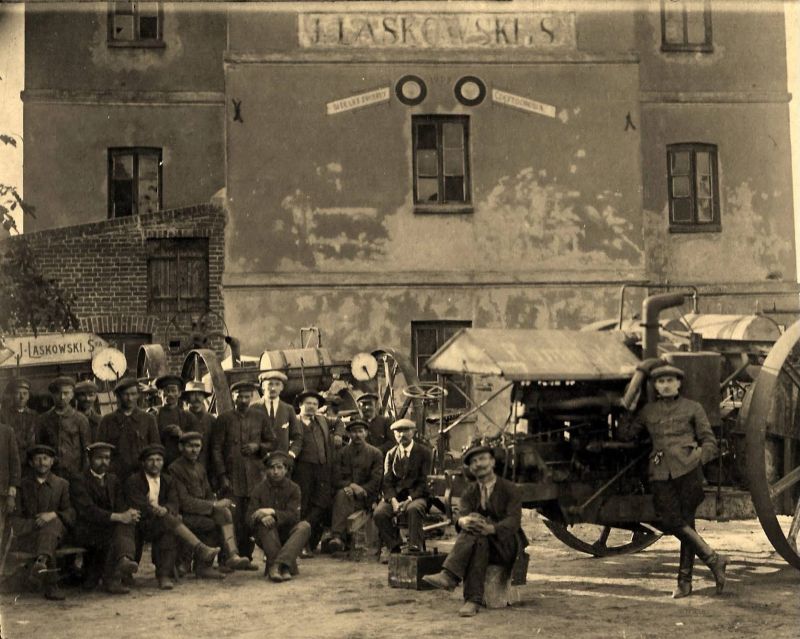
GFN traces its origins to around 1903 in Radzyń Podlaski. Jan Laskowski and Edmund Kurczyński ran a metalworking and mechanical workshop, initially known as Zakłady Mechaniczne Jan Laskowski.
Early work included repairing equipment for distilleries, starch factories and sawmills, alongside services for local residents. This craft workshop grew into a factory specialising in metal products. Jan Laskowski also helped establish the local crafts guild.
Timeline
Key stages in the development of the workshop and company.
c. 1903
The workshop begins
Jan Laskowski and Edmund Kurczyński begin metalworking and mechanical services in Radzyń Podlaski.
1928
The next Laskowski generation
Mieczysław and Tadeusz Laskowski take over with Edmund Kurczyński under the name Zakłady Mechaniczne Mieczysław Laskowski i S-ka.
1949
An employee cooperative
Tadeusz Laskowski forms a cooperative with employees to avoid nationalisation of the workshop.
1975
Joining an industrial group
The factory becomes part of Kombinat Narzędzi Gospodarczych in Sułkowice.
1992
Górnicza Fabryka Narzędzi
Following privatisation, the factory becomes today’s Górnicza Fabryka Narzędzi.
Today
Manufacturing, research and new sectors
GFN combines metal manufacturing with materials testing and heat treatment, serving seven industrial sectors.
GFN today
Experience and in-house technical facilities
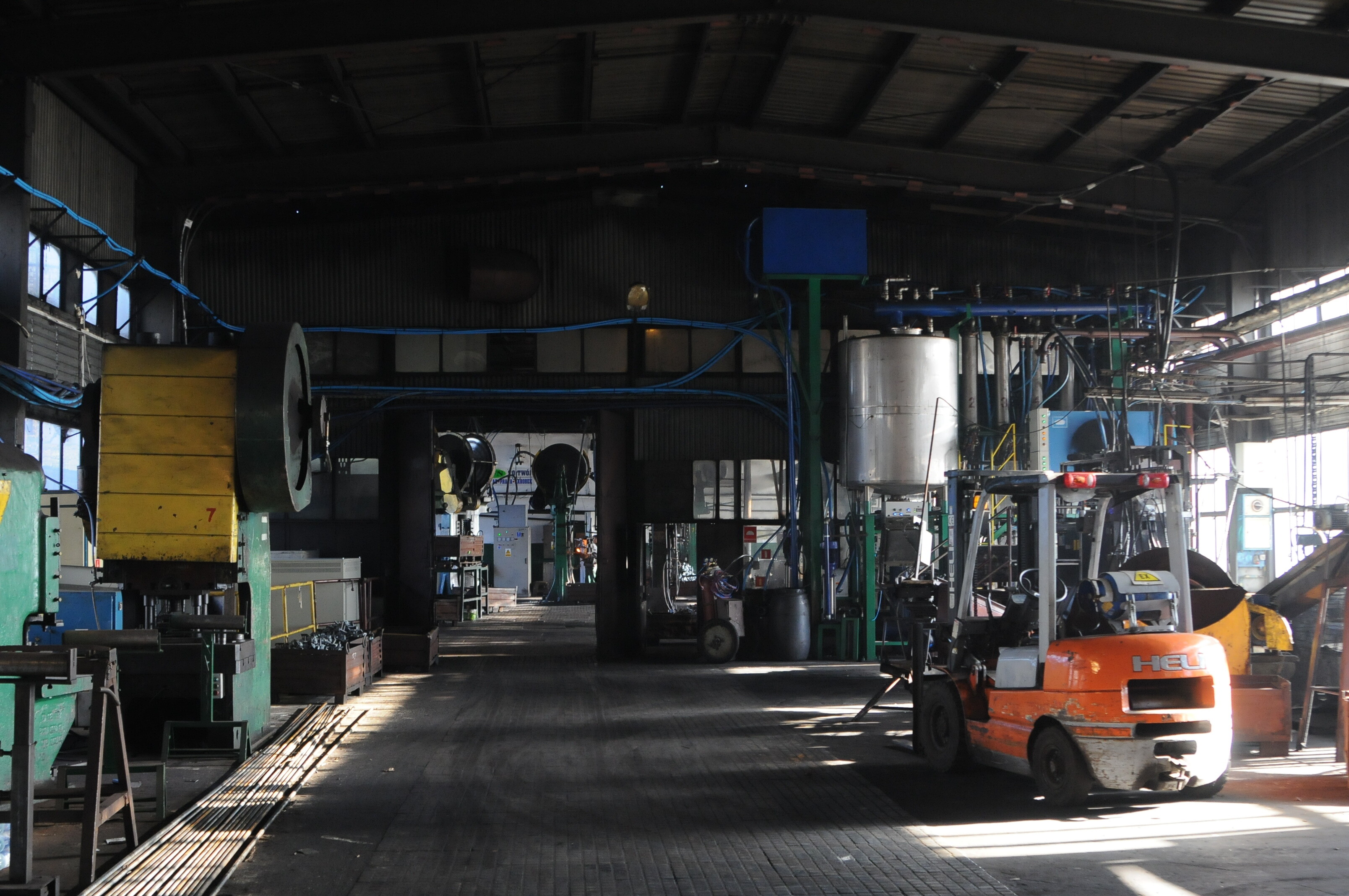
We manufacture fasteners, special bolts, forgings, harrow tines and steel balls. We serve railways, mining, agriculture, cement, offshore, defence and renewable energy. Our in-house toolroom, laboratory and heat treatment facilities support orders to customer documentation.
Grzegorz BugałaPresident of the Management Board
Explore our industriesModernisation and responsibility
We develop our research and development facilities and vacuum heat treatment technologies. Modernisation has also included replacing the coal-fired boiler house with heat pumps. Today, our integrated management system covers quality, environmental and occupational health and safety management under ISO 9001, ISO 14001 and ISO 45001.
Quality and certificationA company rooted in its region
The company history includes the Ambassador of the Polish Economy and Polish Business Leader distinctions. The factory is also associated with Sękacz Podlaski, a traditional regional cake that attracted media attention.
Sękacz Podlaski on FacebookThe archival photograph was shared by Wojciech Okupniak.